Early Hardware and Maker Projects
Looking back at 2017 and 2018, I was juggling a lot of threads at once. I had just started as the First Fellow at the D&M Makerspace at Plymouth State University, I was picking up GIS contracting work, and I was starting to get curious about machine learning. But the through-line for those two years was really the hands-on hardware stuff — startups, shop projects, and a whole lot of trial and error at the bench.
Here is a photo roundup of some of the projects from that stretch.
Dover Micro
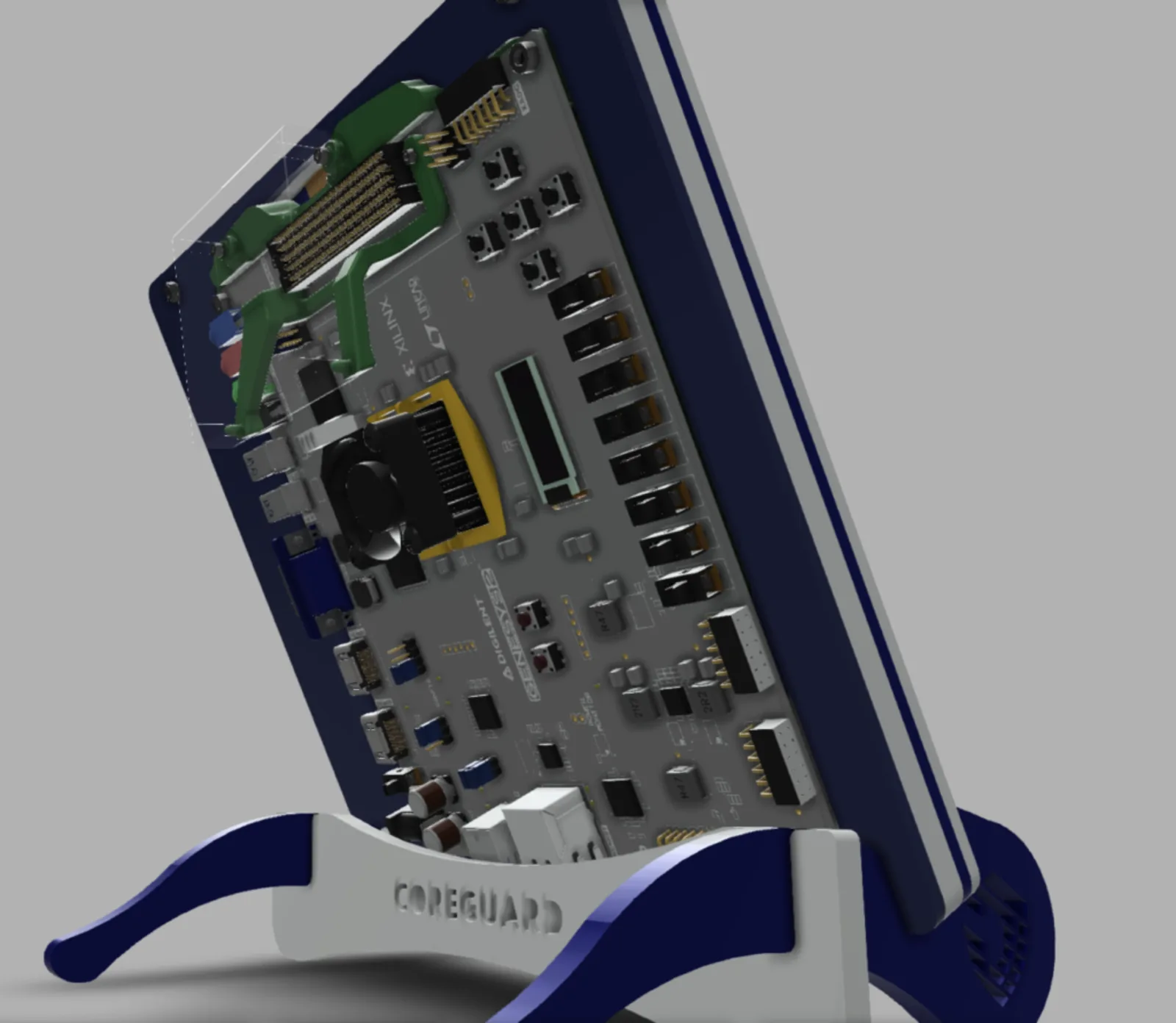
In 2017 I spent time working with Dover Micro, a startup focused on FPGA-based hardware. We were prototyping board layouts and working through mockups for what the product might actually look like in someone’s hands. Most of the early work was about figuring out form factor and packaging constraints before committing to a real board spin. Learned a lot about how much of hardware product development is just iterating on physical layouts before you ever get to firmware.
Adaptive Motorsport
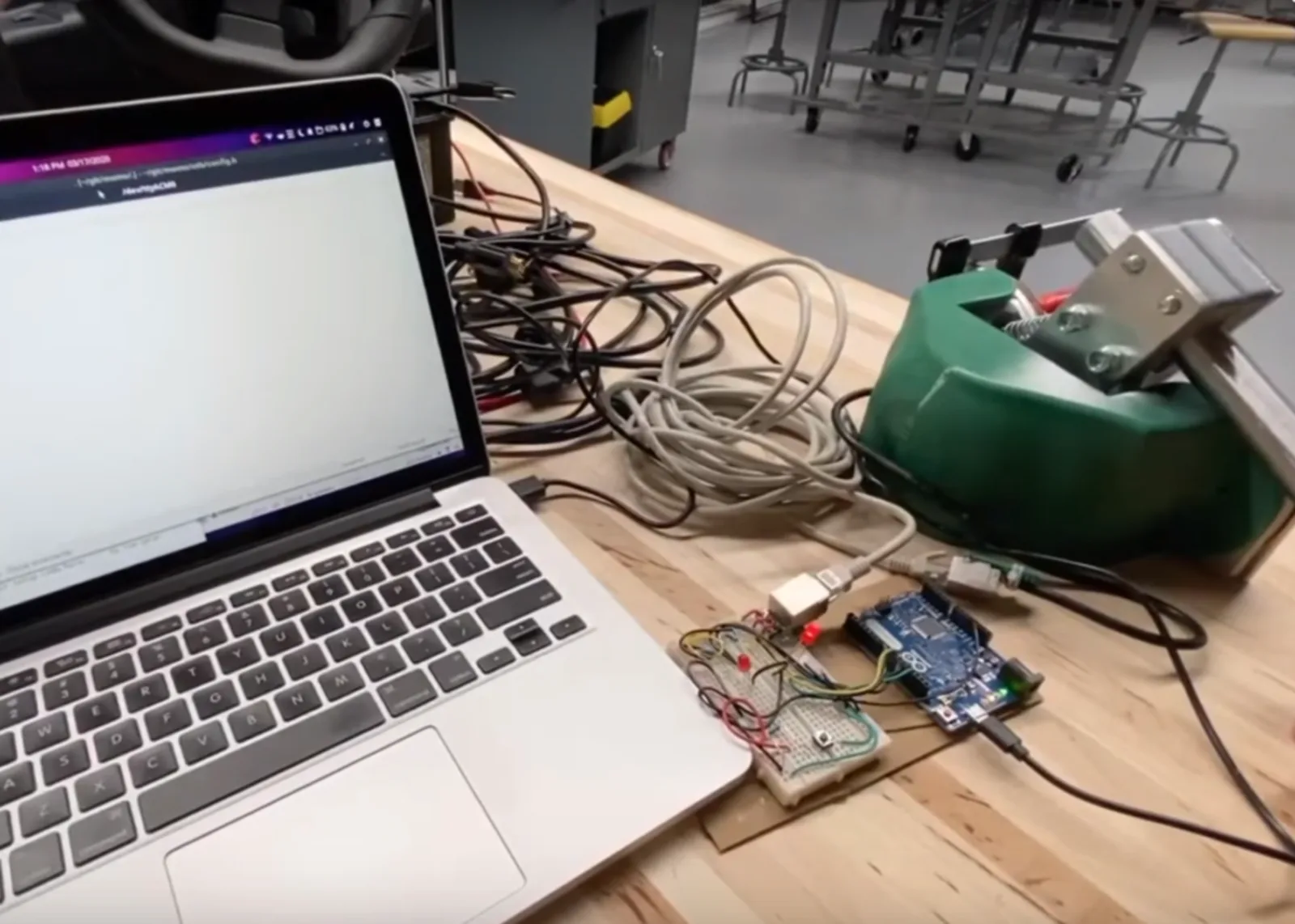
In 2018 I moved on to another startup, Adaptive Motorsport. The focus here was adaptive vehicle controls — making motorsport more accessible. The demo unit we built was a solid proof of concept, and it was rewarding to work on something where the engineering had a direct impact on who could participate in the sport.
DIY CNC Machine
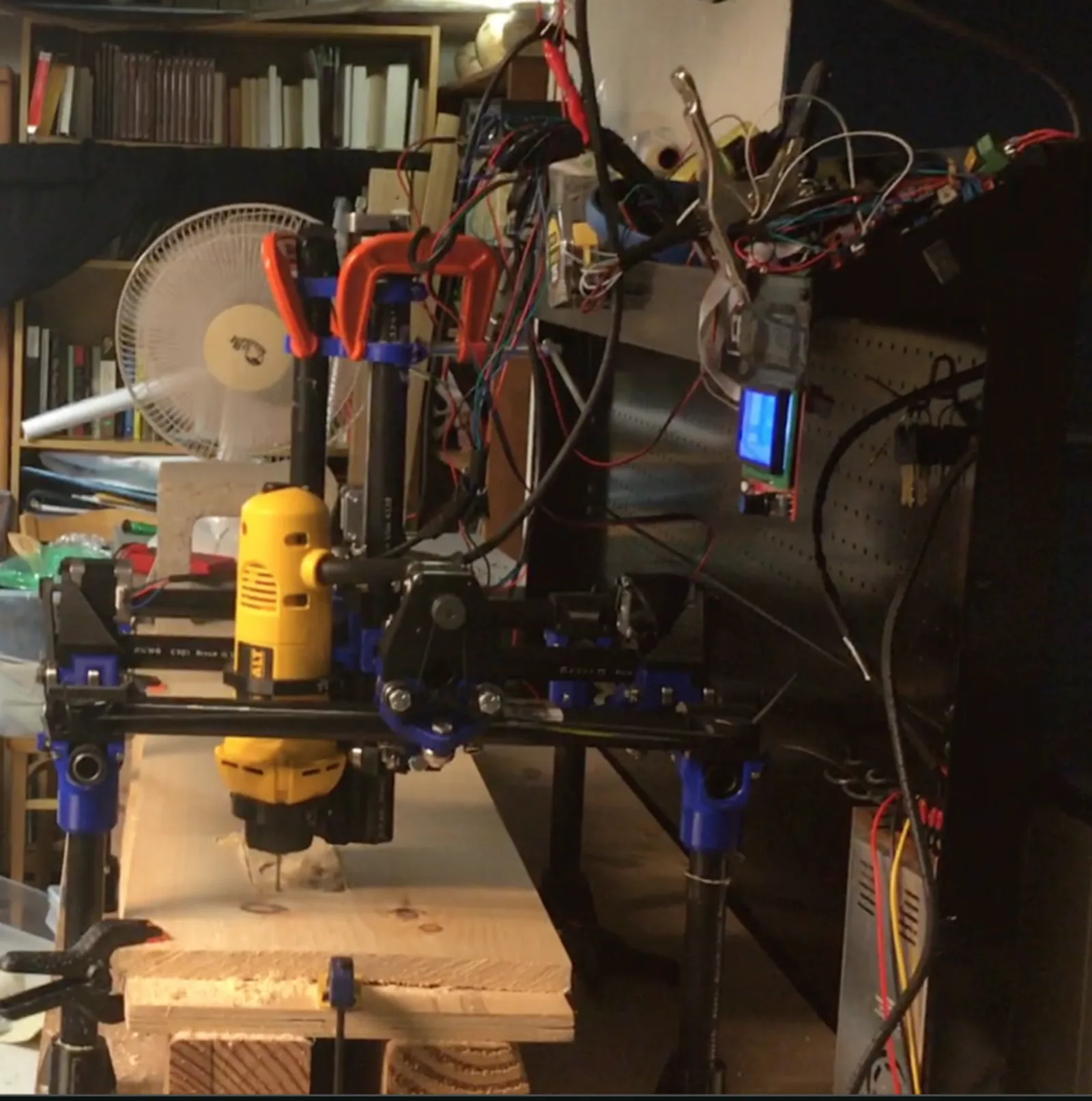
I built a CNC machine from scratch during this period. This was a natural extension of the MPCNC work I had been doing earlier — bigger frame, beefier spindle, and a lot of time squaring everything up. Having a working CNC in the shop opened up a whole category of projects that would have been impractical by hand. It became one of the most-used tools in the makerspace.
PWM Foam Cutter
Hot wire foam cutting is one of those techniques that sounds simple until you try to get clean, repeatable cuts. I built a PWM-controlled foam cutter that let me dial in the wire temperature precisely. Too hot and the foam melts unevenly; too cold and you are just dragging the wire through. PWM control made it possible to find the sweet spot and stay there.
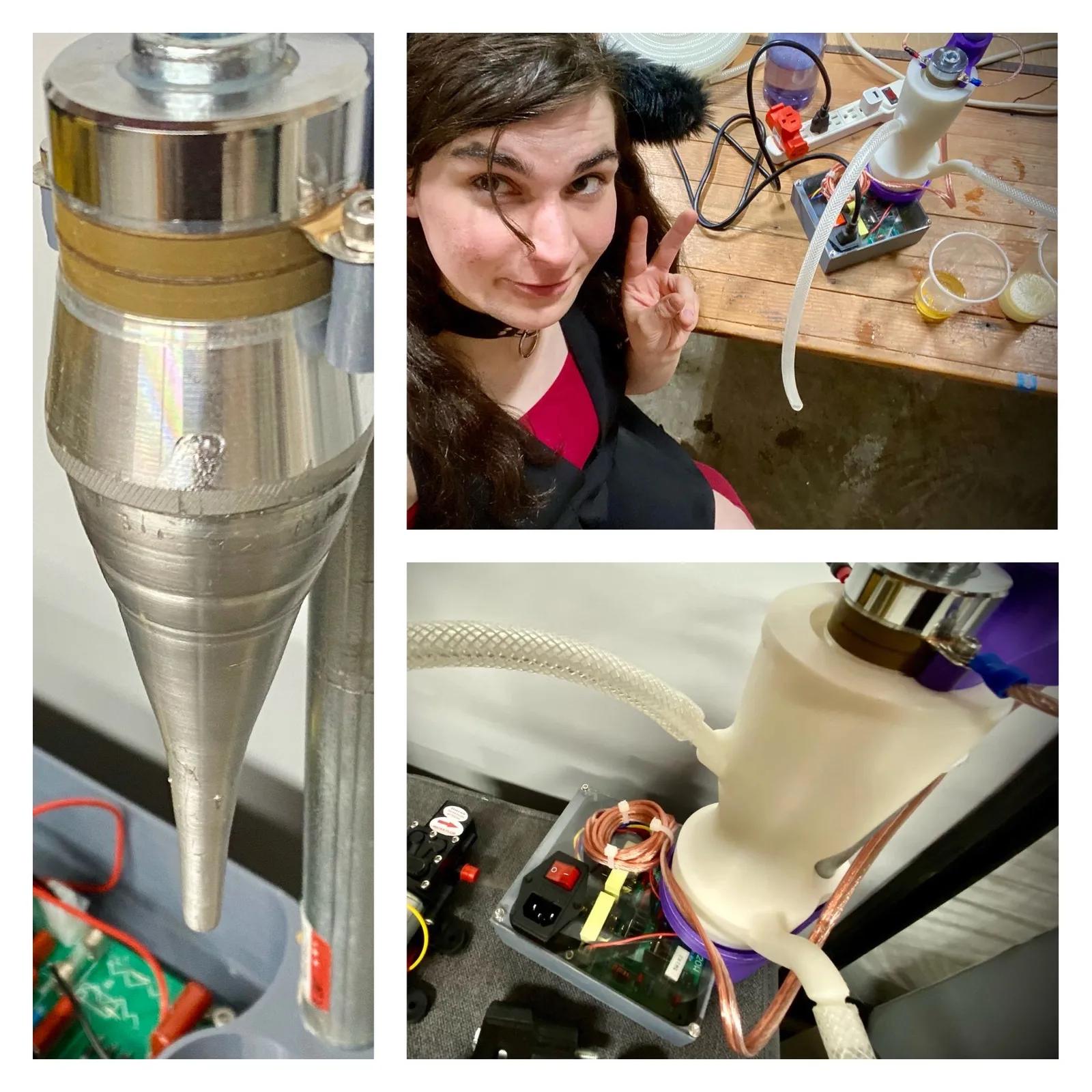
Thixotropic Sonicator
This one is a bit niche. I built an ultrasonic sonicator for working with thixotropic materials — fluids that change viscosity when agitated. The device uses ultrasonic energy to temporarily reduce viscosity for processing. It was a fun intersection of electronics and materials science, and I got to learn a lot about piezoelectric transducers along the way.
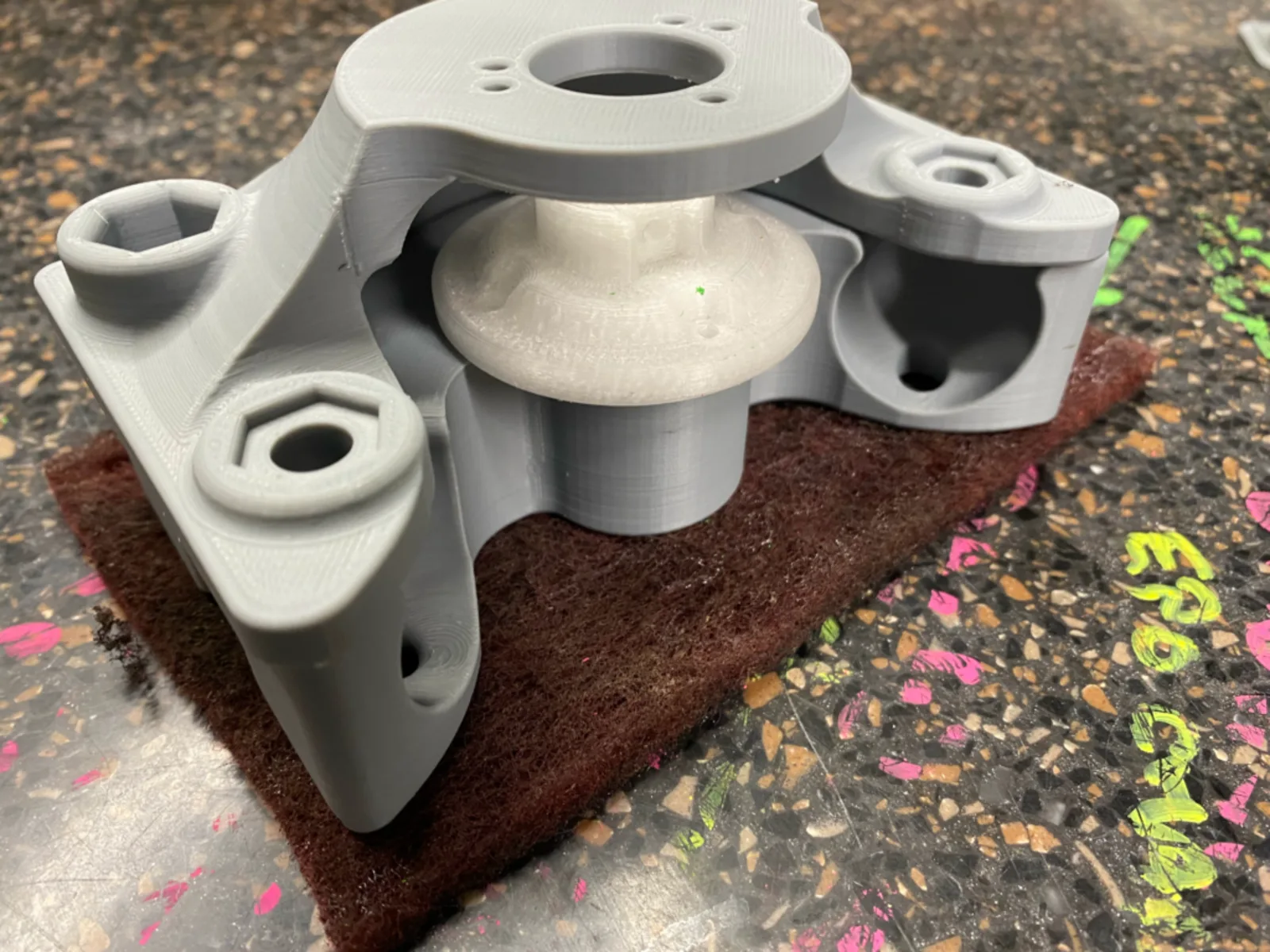
Heavy Yoke Fabrication
Sometimes a project is just about making a solid, functional piece of metal. The heavy yoke was a fabrication job that required careful layout, welding, and finishing. Nothing glamorous, but there is a real satisfaction in building something load-bearing and having it come out square and strong.
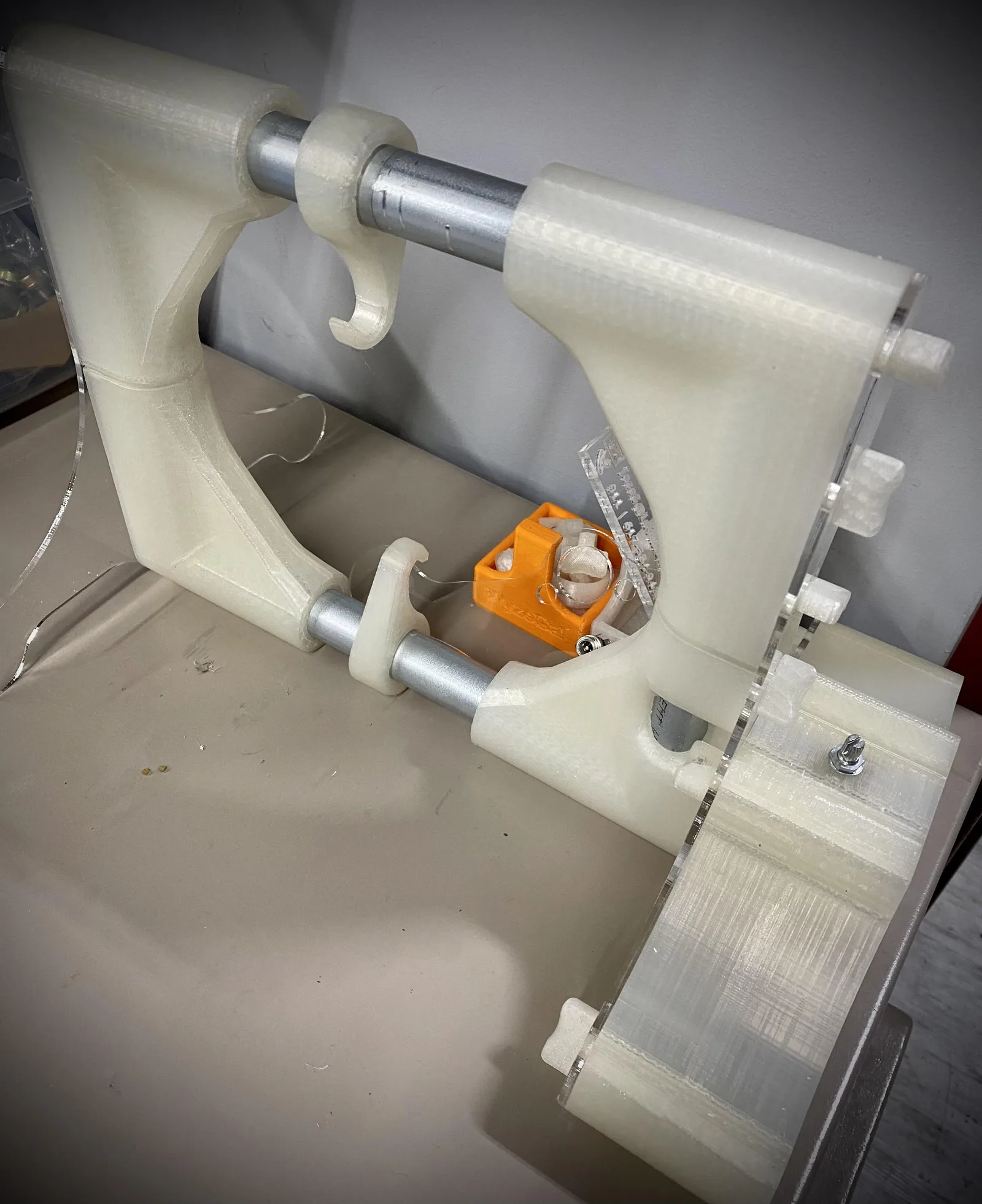
Low Friction Feeder
The low friction feeder was designed to move material smoothly without binding or jamming. Getting the geometry right on something like this is all about reducing contact points and choosing the right bearing surfaces. It went through several iterations before it fed reliably, which is pretty much how every mechanical project goes.
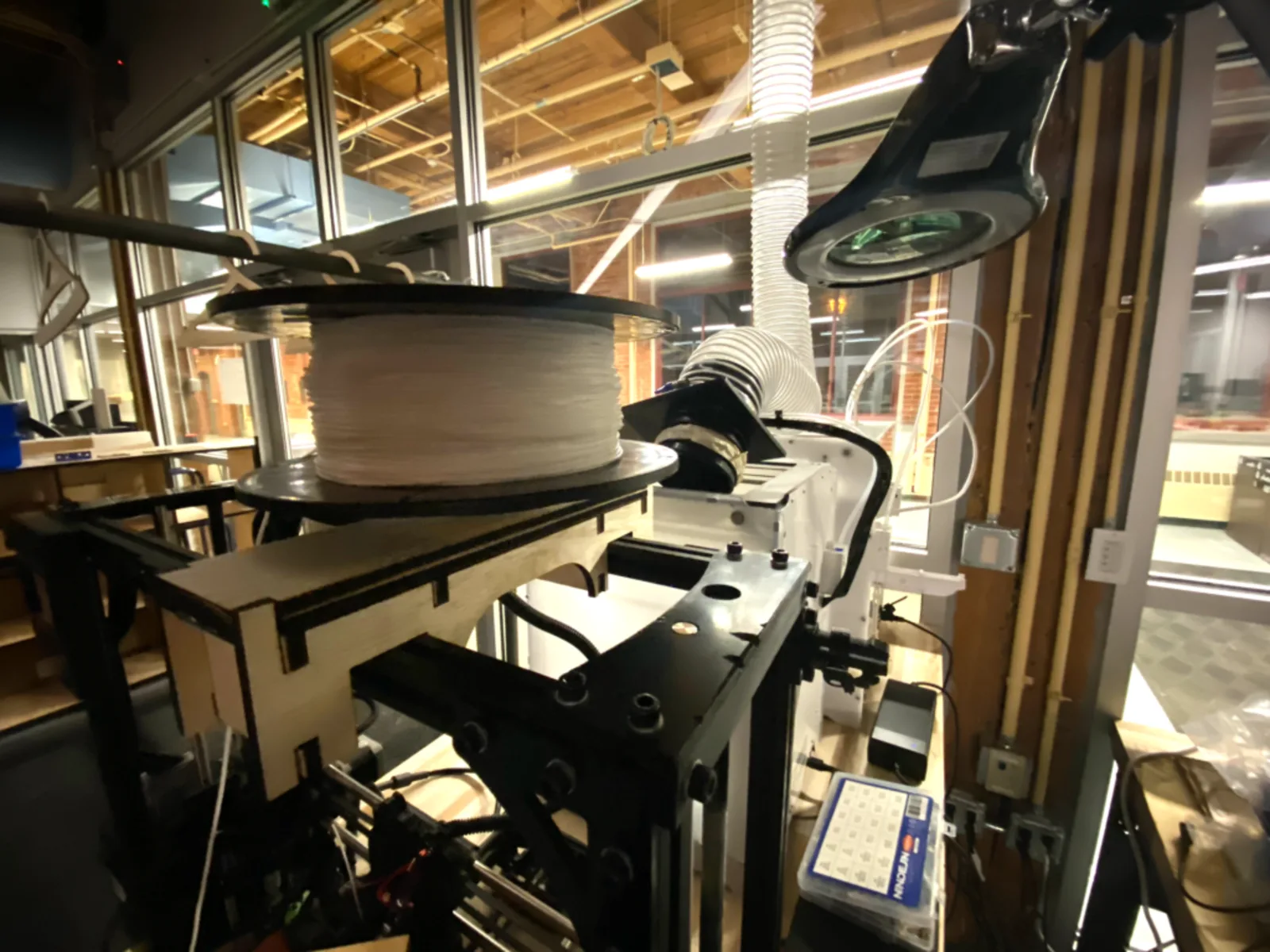
Looking Ahead: COVID PPE
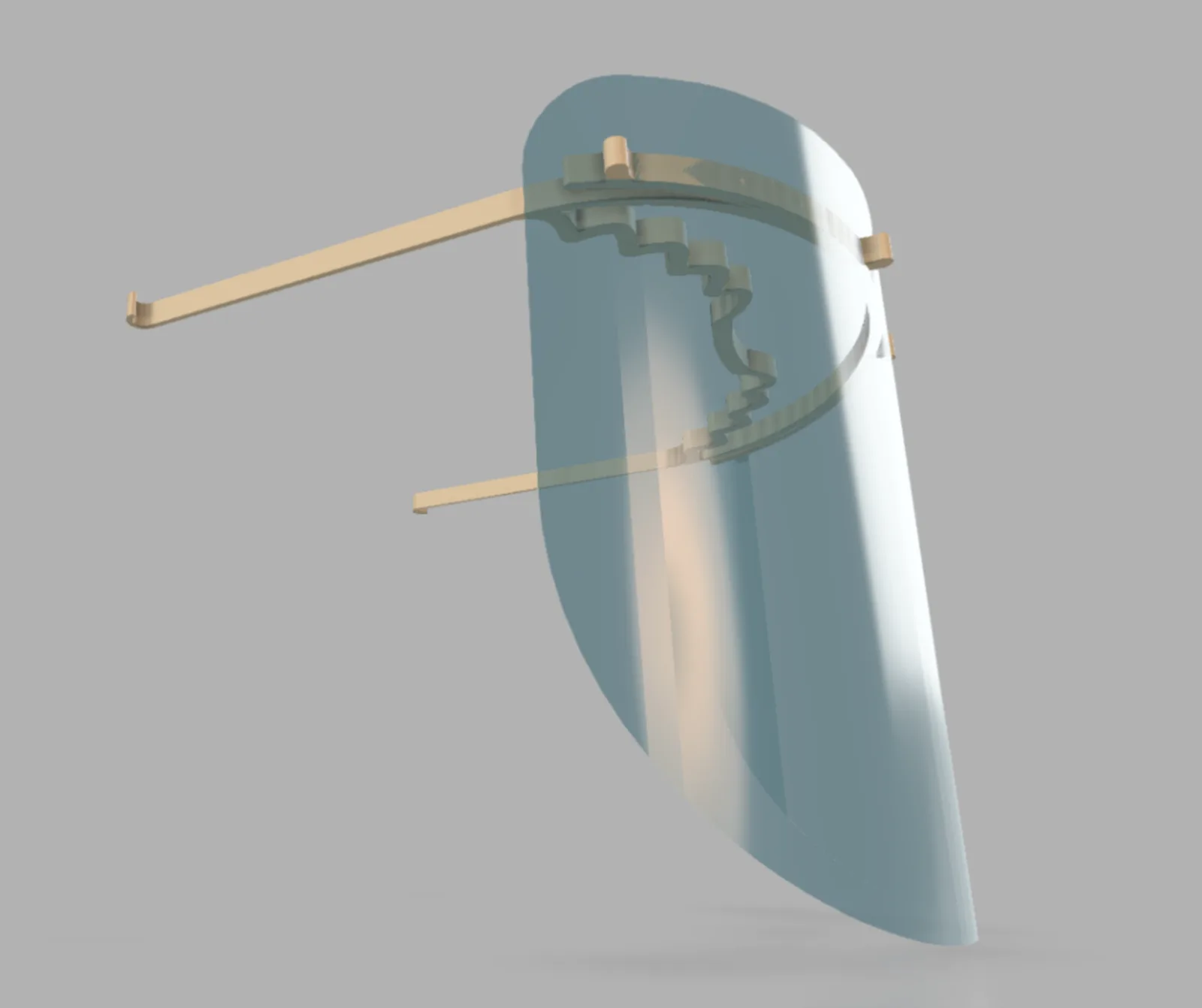
A couple years after most of these projects, the COVID-19 pandemic hit and the makerspace pivoted hard to producing PPE for New Hampshire EMS workers. The fabrication skills and shop infrastructure from all this earlier work turned out to be directly useful when it mattered most. But that is a story for another post.
That stretch at the D&M Makerspace was formative. I was learning to move between disciplines — electronics, mechanical fabrication, software, materials — and figuring out that the interesting problems usually live at the boundaries between them. The startup work taught me how to ship under constraints, and the shop projects taught me how to build things that actually work.
Related Posts

Jess Sullivan

Full stack engineer, musician, and birdwatcher based in Lewiston, ME & Boston, MA. I build infrastructure tooling, digital automata, hack upon compilers, love learning new languages, futz with hardware, and maintain a lot of fun projects here and elsewhere.

Merged upstream
Sponsoring
Ventures
Topic Network