Hunting for Trees = BIRDS
Today, I went lurking about Langdon Woods in search of as many trees as possible. I took over 300 photos of bark, leaves, and twigs, aiming to highlight the growth patterns and key ID features of the trees on the PSU natural history final exam. This went well, and I will be posting these Tree-I-Dee’s as soon as I get through the pictures.
The following photos are the result of chance and some enthusiastic “pishing” I did to draw in the birds, so I would not need to get to off course.
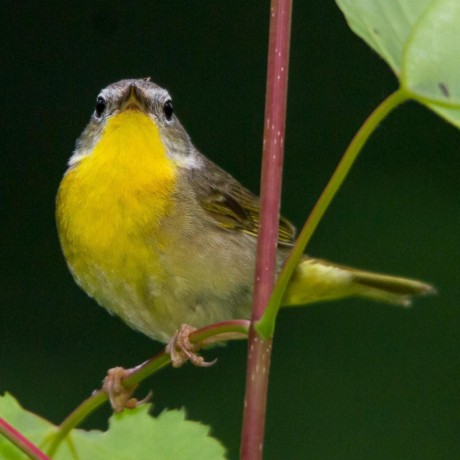
- Redstart Warbler. This is almost certainly a breeding male in full attire. The Redstart song is often heard through these New Hampshire forests these days. This fellow responded very well to “pish” sounds, and danced over to me to see what the fuss was about.
Some images from the original WordPress post are no longer available.
2. Black-and-White Warbler. These Warblers have a weezy, squeaky sound almost identical to a rusty wheel. They act like Nuthatches but “dance” up and down the tree more enthusiastically, which is often a good way to tell which is which.
This image has been lost to time. The original was hosted on WordPress.
3. Hermit Thrush. These amber-toned thrushes have a beautiful song, but the only thrush singing today was the large Ovenbird population. More characteristic to the forests on the sides of white mountains, they will all sing together about an half an hour before sunrise. The proper thrushes (not including robin) of NH seem to follow an altitude metric: Ovenbird lives at the bottom, Hermit lives in the low hills, Swainson’s sings in the mossy forest below the krumholz, and Bicknell’s rules them all, only breeding above four thousand feet. !!!
Some images from the original WordPress post are no longer available.
-Jess
Originally published at transscendsurvival.org
Related Posts
Jess Sullivan

Full stack engineer, musician, and birdwatcher based in Lewiston, ME & Boston, MA. I build infrastructure tooling, digital automata, hack upon compilers, love learning new languages, futz with hardware, and maintain a lot of fun projects here and elsewhere.

Merged upstream
Sponsoring
Ventures
Topic Network